


Affiliate & Editorial Disclosure: At Travel4U, Victor and Lucky independently review, vet, and curate only the finest luxury accommodations worldwide. If you choose to reserve your stay through select luxury partner links featured on our platform, we may earn an affiliate commission at no additional cost to you. This support allows our team to continue conducting unbiased, on-the-ground luxury inspections across the globe.
The Definitive Guide to Hokkaido winter onsen resorts the ultimate guide to hot spring luxury: The Art of Sub-Zero Serenity: Hokkaido’s Thermal Elegance
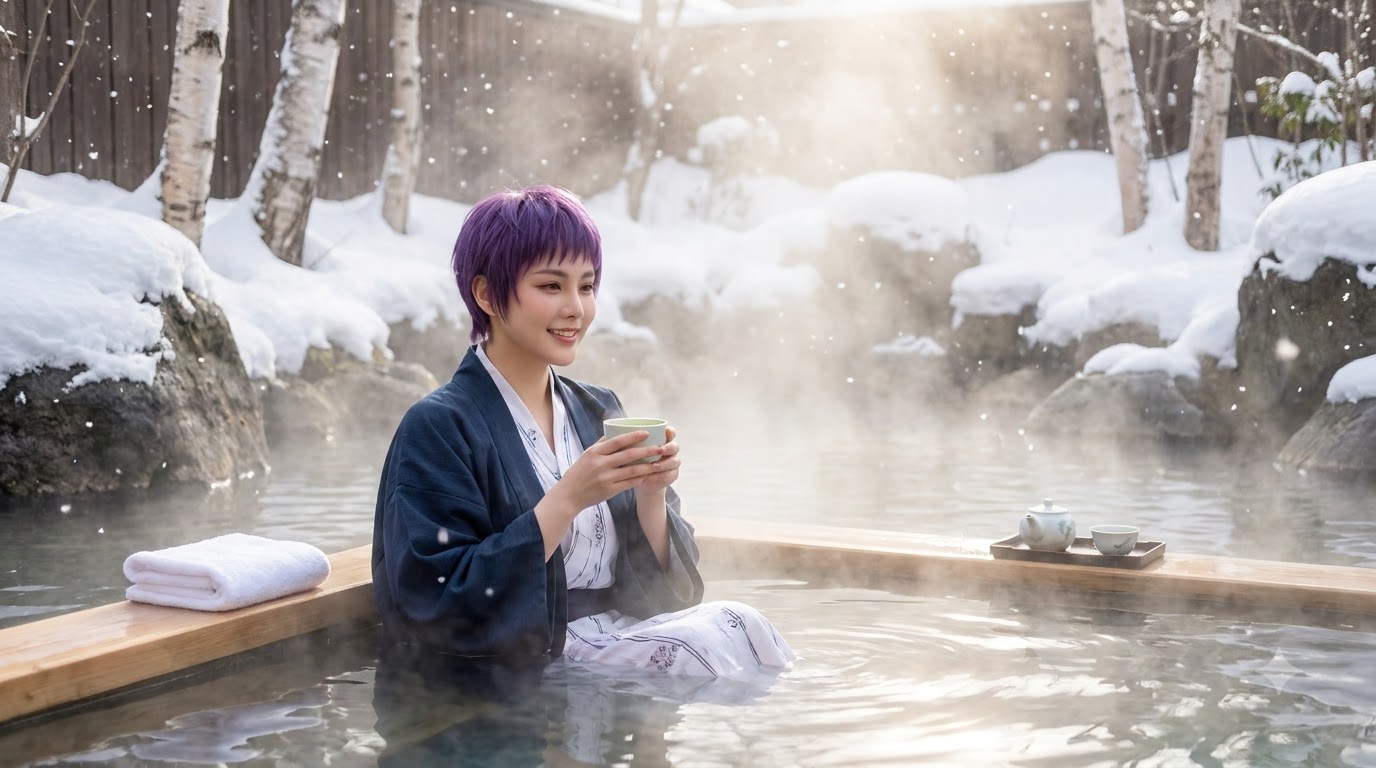
There is a precise moment during a Hokkaido winter when time seems to suspend itself entirely. You are submerged in an open-air bath crafted from aromatic Hinoki cypress, filled with mineral-rich volcanic water heated to a crisp 42°C (107°F). Overhead, quiet clouds drift across a midnight sky, dropping weightless powder snow onto the dark cedar forest surrounding you. The cold air stings your cheeks, yet your body is wrapped in pure, geothermal warmth. This is the sublime magic of Hokkaido onsen resorts in peak winter—a world where extreme nature meets the pinnacle of Japanese hospitality (Omotenashi).
📑 Table of Contents
- The Definitive Guide to Hokkaido winter onsen resorts the ultimate guide to hot spring luxury: The Art of Sub-Zero Serenity: Hokkaido’s Thermal Elegance
- The Key Thermal Capitals of Hokkaido
- The Elite Portfolio: Hokkaido’s Foremost Luxury Onsen Resorts
- Comparing the Premier Onsen Sanctuaries
- Victor & Lucky’s Guide to Onsen Culture & Etiquette
- Frequently Asked Questions
When Victor and I inspected the suites across Hokkaido’s premier hot spring regions this past season, we weren't merely looking for plush bedding or impeccable design. We searched for properties that curate a visceral connection to the land—places where deep thermal traditions, hyper-seasonal gastronomy, and contemporary architecture converge. From the therapeutic sulfur valley of Noboribetsu to the secret ravines of Jozankei, this master guide represents our curated portfolio of Hokkaido’s finest thermal sanctuaries.
“Luxury in Hokkaido’s winter is defined by contrast: the biting chill of sub-zero powder against the silken touch of mineral water that has spent centuries filtering through volcanic earth.” — Victor & Lucky
The Key Thermal Capitals of Hokkaido

To choose the ideal retreat, one must first understand the distinct geographic personalities of Hokkaido’s premier onsen enclaves. Each district offers a unique mineral profile, architectural rhythm, and landscape vantage point.
1. Noboribetsu: The Mineral-Rich Titan
Anchored by the dramatic, smoking landscape of Jigokudani (Hell Valley), Noboribetsu is world-renowned for its sheer diversity of spring waters. The earth here gushes with nine distinct types of thermal fluids—ranging from milky sulfur spring baths that soften skin to iron-rich waters that stimulate deep circulation. The finest Noboribetsu onsen hotels have mastered the art of funneling these rare geothermal gifts directly into opulent, private guest suites.
2. Jozankei: The Enclosed Mountain Ravine
Nestled just an hour southwest of Sapporo within the Shikotsu-Toya National Park, Jozankei offers a dramatically secluded ambiance. Towering snow-dusted cliffs envelope the Toyohira River, creating a sheltered microclimate ideal for winter cocooning. A stay at a Jozankei luxury ryokan means falling asleep to the rush of river waters and dining on winter seafood brought fresh daily from the nearby ports of Otaru.
3. Niseko & Lake Toya: Modern Luxury Meets Panoramic Vistas
While Niseko is globally celebrated for its legendary powder snow, its thermal landscape is equally extraordinary. Nestled among the white birch forests of Hanazono and the shores of Lake Toya are vanguard properties that combine modern minimalist design with traditional bathhouse culture, offering unmatched views of Mount Yotei.
The Elite Portfolio: Hokkaido’s Foremost Luxury Onsen Resorts
Bourou NOGUCHI Noboribetsu
For travelers who demand absolute privacy and modern sophistication, Bourou NOGUCHI stands as the crown jewel of Noboribetsu. Departing from traditional tatami-heavy design, this all-suite property blends sleek contemporary aesthetics with classic Japanese warmth.
- The Suite to Book: The Executive Suite. Spanning over 100 square meters, this residence features a dedicated private tea room, floor-to-ceiling panoramic glass windows facing snow-dusted pine forests, and a private stone bath continuously fed by Noboribetsu’s famous sulfur springs.
- Culinary Excellence: A multi-course Kaiseki dining experience that bridges Japanese precision with subtle French techniques. Expect delicacies such as Hokkaido Shiraoi beef tenderloin cooked over cedar embers and Uni (sea urchin) harvested from cold coastal waters.
- Lucky's Insider Tip: Reserve a session in the resort’s private rock sauna (Ganbanyoku) prior to your evening soak. It opens the pores and amplifies the skin-softening benefits of the acidic sulfur waters.
Chalet Ivy Jozankei
Positioned along the bank of the Toyohira River, Chalet Ivy Jozankei is an intimate sanctuary featuring just 26 suites. It perfectly exemplifies the subtle elegance of a modern Jozankei luxury ryokan.
- The Suite to Book: The Corner Suite with Private Onsen. Offering dual-aspect floor-to-ceiling views of the river canyon, this suite allows you to watch snow gently pile onto river stones while bathed in steam.
- Thermal Quality: The waters here are rich in sodium chloride, which leaves a light mineral film on the skin after bathing, effectively locking in body heat long after you step out into the winter air.
- Victor’s Perspective: “When Victor and I spent an afternoon in the suite's private bath, the silence of the snowbound ravine was broken only by the trickle of thermal water. It is one of the most tranquil spaces in all of Asia.”
Zaborin (Hanazono, Niseko)
Set within a private meadow of white birch trees near Niseko, Zaborin takes its name from the Zen concept “to sit and forget in the woods.” It represents the gold standard of architectural open-air bath design.
- The Suite to Book: Any of the 15 stand-alone Villa Suites. Each villa features two distinct private baths: one crafted from polished Hinoki wood indoors, and an outdoor bath carved from a single volcanic boulder or cast iron, overlooking the snowfields.
- The Gastronomy: Chef Yoshihiro Seno elevates local ingredients into Kita-Kaiseki (Northern Seasonal Cuisine), a masterclass in regional storytelling through food.
- Highlight: True ski-in/ski-out proximity via private resort transfers, combined with absolute solitude away from the bustling village centers.
The Windsor Hotel Toya Resort & Spa
Perched high atop Mount Poronuri, overlooking Lake Toya on one side and the Pacific Ocean on the other, The Windsor offers grand, palatial luxury reminiscent of Europe’s finest alpine grand hotels.
- The Suite to Book: The G8 Summit Suite, where world leaders once stayed. It features sweeping 270-degree views of the frozen lake and sea.
- Hokkaido Open Air Hot Springs: The resort’s bath complex, Karaku, is designed to mirror traditional Japanese bathhouse aesthetics, featuring wood-timbered pathways leading to outdoor baths suspended over mountain cliffs.
Comparing the Premier Onsen Sanctuaries
To assist you in selecting the sanctuary best tailored to your preferences, we have curated a side-by-side comparison of these extraordinary properties:
| Property | Region | Est. Nightly Rate (USD) | Primary Spring Type | Ideal Traveler Profile |
|---|---|---|---|---|
| Bourou NOGUCHI | Noboribetsu | $900 – $1,800 | Acidic Sulfur & Iron | Design connoisseurs & spa purists seeking modern suite luxury. |
| Chalet Ivy Jozankei | Jozankei Ravine | $1,100 – $2,200 | Clear Sodium Chloride | Couples searching for romantic, tranquil river canyon views near Sapporo. |
| Zaborin | Niseko / Hanazono | $1,400 – $2,800 | Alkaline Clear Mineral | Discerning skiers and design enthusiasts wanting total isolation. |
| The Windsor Hotel Toya | Lake Toya | $750 – $2,500 | Bicarbonate & Sulfate | Lovers of grand scale resort amenities, fine dining, and dramatic views. |
Victor & Lucky’s Guide to Onsen Culture & Etiquette
To fully immerse yourself in the therapeutic ritual of Hokkaido open air hot springs, a thoughtful understanding of seasonal timing and traditional bathhouse etiquette is essential.
Understanding the Seasonal Dynamics
While summer offers lush greenery and autumn brings vibrant maple foliage, winter (late November through late March) is undeniably the zenith of Hokkaido’s onsen season. The contrast between freezing exterior temperatures and deep geothermal heat creates a physiological release that cannot be replicated in warmer months.
- December – January: Peak snowfall season. Expect deep drifts, dreamy white landscapes, and high demand. Book at least 6 to 9 months in advance.
- February: The Sapporo Snow Festival brings lively cultural energy to the island. Combining a stay at a Jozankei luxury ryokan with the festival makes for an extraordinary itinerary.
- March: Clear winter skies, longer daylight hours, and crisp, snow-filled surroundings without peak winter crowds.
The Essential Etiquette Rituals
- The Pre-Bathing Wash: Always wash thoroughly at the provided sitting shower stations before entering the water. The thermal baths are intended solely for soaking and relaxation, not washing.
- Modesty Towels (Tenugui): You will be provided with a small modesty towel. It should never touch the communal thermal bath water. Place it on the side of the tub or fold it neatly atop your head while soaking—a traditional technique that keeps the head warm in cold air.
- Tattoos in Luxury Ryokan: While traditional communal baths historically restricted visible tattoos, virtually all modern top-tier resorts (including those featured in our guide) either welcome inked guests in public baths or provide spacious in-room private rotenburo for complete comfort.
Frequently Asked Questions
What makes Hokkaido onsen resorts superior to thermal spas elsewhere in Japan?
Hokkaido's unique volcanic geology produces an exceptional concentration and diversity of thermal minerals within a relatively compact region. Combined with the island's famous sub-zero winter temperatures and heavy powder snowfall, bathing in a Hokkaido rotenburo creates a stark, highly invigorating physical contrast that cannot be duplicated in warmer southern regions.
How far in advance should I book a luxury ryokan in Hokkaido for the winter season?
Because elite properties like Zaborin and Chalet Ivy Jozankei feature a limited number of suites (often between 15 and 30), availability for peak winter months (December through February) usually fills up 6 to 10 months in advance. We recommend securing your reservations by late spring for the following winter season.
What is included in a typical high-end ryokan stay?
Luxury ryokan rates in Japan are typically calculated on a Half-Board basis (Meublé). This includes your suite accommodations, unlimited access to thermal bath amenities, an elaborate multi-course Kaiseki dinner featuring seasonal regional delicacies, and a traditional, multi-dish Japanese breakfast the following morning.
Can guests with tattoos comfortably use hot springs in Hokkaido?
Yes. While public communal baths in legacy properties may still maintain restrictions, staying at luxury properties offering private in-room rotenburo (such as Bourou NOGUCHI or Chalet Ivy) ensures complete privacy and flexibility without any restriction regarding tattoos.

Lucky's Connoisseur Recommendation
“For Hokkaido Winter Onsen Resorts: The Ultimate Guide to Hot Spring Luxury, Victor and I specifically advise confirming seasonal concierge services and securing private transfers in advance. Every property featured here meets our strict luxury benchmarks for privacy, elegance, and bespoke hospitality.”
Check Live Availability & Member Rates on Expedia
Unlock VIP upgrades, member-only discounts, flexible cancellation policies, and One Key rewards when reserving your luxury stay through our curated Expedia Travel Creator Shop.
Explore Stays & Reserve on Expedia →
Final Thoughts from Travel4U
Stepping out of an open-air thermal bath into the crisp night air of Hokkaido, with the soft crunch of fresh snow underfoot and a body entirely relaxed by geothermal warmth, is one of life’s rare, unforgettable pleasures. Whether you seek the deep, therapeutic sulfur waters of Noboribetsu or the quiet design perfection of a mountain sanctuary in Jozankei, Hokkaido’s winter hot spring resorts offer an unmatched escape into peace and luxury.
Allow Victor and Lucky to assist in curating your custom itinerary across Japan’s northern frontier. Explore our full portfolio of bespoke travel guides at Travel4U to plan your next extraordinary retreat.
Affiliate Disclosure: Travel4U partners with select luxury hospitality groups and booking portals. When you book your stays through our editorial links, we may earn a modest commission at no additional cost to you, which allows us to maintain our independent, firsthand inspection standards worldwide.
