


Affiliate & Editorial Disclosure: At Travel4U, Victor and Lucky independently review, vet, and curate only the finest luxury accommodations worldwide. If you choose to reserve your stay through select luxury partner links featured on our platform, we may earn an affiliate commission at no additional cost to you. This support allows our team to continue conducting unbiased, on-the-ground luxury inspections across the globe.
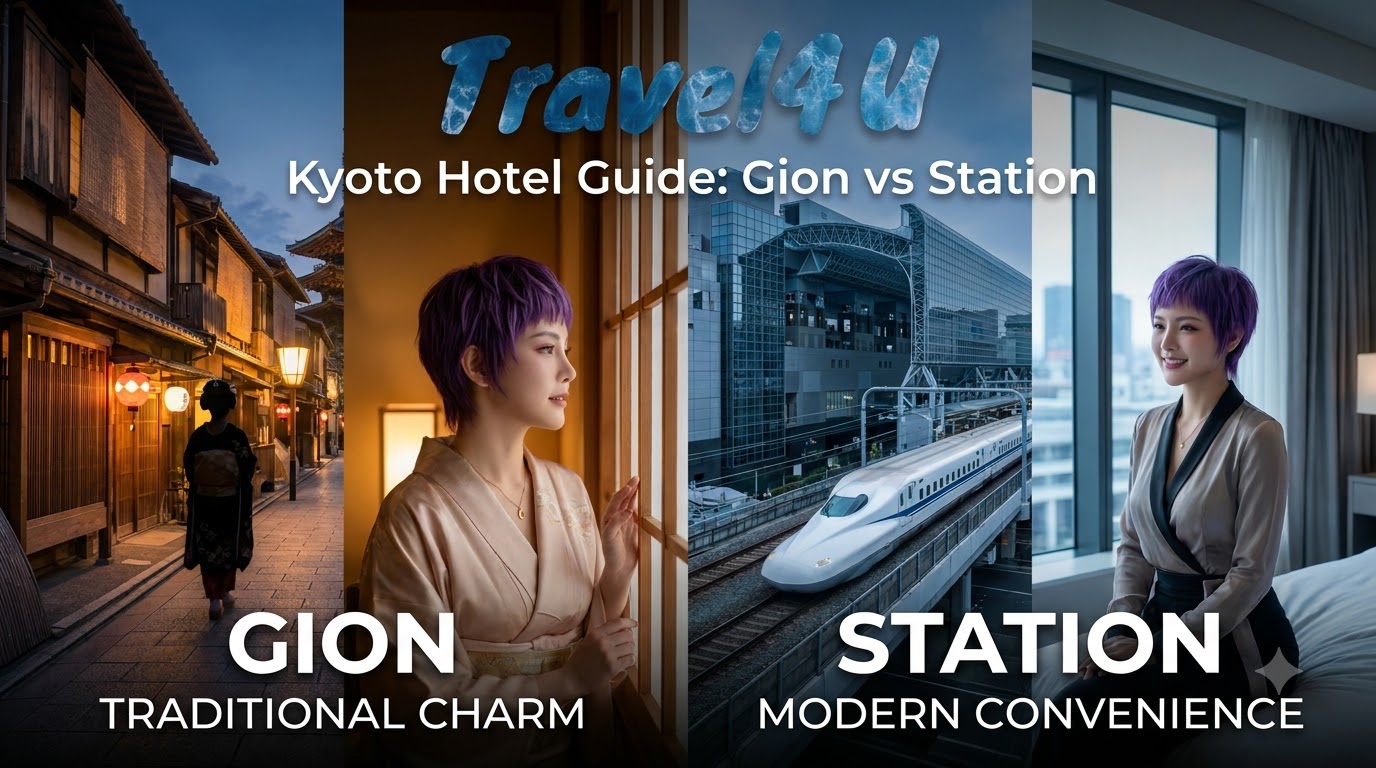
Kyoto is a city defined by exquisite contrasts—where ancient timber temples stand in quiet defiance of modern neon, and where centuries of imperial craft coexist with cutting-edge hospitality. When Victor and I returned to Kyoto to audit its finest accommodations, we found that even the most seasoned luxury travelers face a fundamental dilemma upon booking: Where should one actually drop anchor?
📑 Table of Contents
- The Definitive Guide to Kyoto hotel guide gion vs kyoto station vs arashiyama which area wins 2: Gion & Higashiyama: The Historic Heart & Geiko Glamour
- Kyoto Station Area: The Hub of Precision & Seamless Access
- Arashiyama: The Nature-Steeped Sanctuary
- Head-to-Head Comparison: Gion vs Station vs Arashiyama
- Where to Stay in Kyoto: Gion vs Station Deep Dive
- Victor & Lucky's Signature Verdict: The Split-Stay Strategy
Choosing among Kyoto luxury neighborhoods isn't merely about location; it dictates the rhythm of your entire Japanese journey. Should you step directly out of your lobby into the lantern-lit, historic streets of Gion? Prioritize the slick, bullet-train efficiency of Kyoto Station? Or escape into the emerald river mist of Arashiyama? In this definitive Kyoto hotel guide Gion vs Station vs Arashiyama, we break down each district's soul, top suites, seasonal nuances, and hidden advantages to help you select your ideal sanctuary.
The Definitive Guide to Kyoto hotel guide gion vs kyoto station vs arashiyama which area wins 2: Gion & Higashiyama: The Historic Heart & Geiko Glamour
For those who dream of Kyoto as an evocative painting of wooden machiya townhouses, weeping cherry blossoms, and the whisper of silk kimonos along cobblestone alleys, Gion and neighboring Higashiyama are peerless. This is the historic nexus of Kyoto’s cultural universe.
“When Victor and I inspected the Pagoda Suite at Park Hyatt Kyoto during autumn peak, we watched the sunset cast an amber glow over Yasaka Pagoda from our private living room. It remains one of the single most dramatic urban vantage points in all of Asia.” — Lucky
The Atmosphere & Vibe
Staying in Gion puts you within walking distance of UNESCO World Heritage sites like Kiyomizu-dera, Kodai-ji, and the historic Ninenzaka and Sannenzaka preserved lanes. By day, the area hums with visitors; by dusk, as the day-trippers disperse, the district transforms into an enchanted neighborhood illuminated by warm paper lanterns, where traditional Geiko and Maiko glide between discrete reservation-only dining rooms.
Top Luxury Hotels in Gion & Higashiyama
- Park Hyatt Kyoto: A low-rise architectural masterpiece seamlessly integrated into historic Higashiyama. Featuring exquisite craft interiors, home to Kyoto Bistro and the exclusive chef’s table at Yasaka. Price Tier: $1,400 – $4,500+ per night.
- Four Seasons Hotel Kyoto: Built around *Shakusui-en*, an 800-year-old Ikeda-period pond garden. It offers expansive modern luxury suites, a world-class spa, and a serene tea house reached via a bamboo bridge. Price Tier: $1,200 – $3,800+ per night.
- Sowaka: A restored 100-year-old ryokan-style luxury boutique hotel featuring serene courtyard gardens and private cedar soaking tubs, blending traditional sukiya style with modern luxury amenities. Price Tier: $900 – $2,200+ per night.
Victor & Lucky’s Insider Take
The Ultimate Vantage Point: Book Suite 501 at Park Hyatt Kyoto or a Garden Suite at Four Seasons. Lucky's Insider Tip: Set your alarm for 6:15 AM. Step out onto Ninenzaka before the shops open and the crowds arrive; you will have one of the world's most romantic historic thoroughfares entirely to yourself.
Kyoto Station Area: The Hub of Precision & Seamless Access

Purists sometimes unfairly dismiss the Kyoto Station area as overly modern or commercial. However, for the discerning, high-efficiency traveler, this neighborhood represents supreme convenience, architectural grandeur, and surprisingly elite dining options.
The Atmosphere & Vibe
Anchored by Hiroshi Hara’s monumental glass-and-steel Kyoto Station terminal, this area is hyper-connected, bustling, and vibrant. It is the ultimate springboard for travelers planning extensive regional day trips across Western Japan—allowing seamless access to the Shinkansen (Bullet Train) to Tokyo, Hiroshima, or Kanazawa, alongside direct trains to Nara, Fushimi Inari, and Kansai International Airport (KIX).
Top Luxury Hotels in the Station District
- The Thousand Kyoto: A minimalist sanctuary of light and wood located just steps from the station exit. Its stunning open-staircase atrium and calming, tea-ceremony-inspired rooms provide instant respite from urban energy. Price Tier: $550 – $1,400+ per night.
- Dusit Thani Kyoto: Situated in quiet Shimogyo-ku (a short walk from the station), this hotel blends warm Thai hospitality traditions with understated Japanese architectural finesse. Features exceptional wellness programs and authentic Thai fine dining at Ayatana. Price Tier: $650 – $1,800+ per night.
- Hotel Granvia Kyoto (Granvia Executive Floor): Located inside the station complex itself, offering unparalleled convenience, private lounge access, and panoramic city views reaching across to Kyoto Tower. Price Tier: $400 – $950+ per night.
Victor & Lucky’s Insider Take
When Victor and I tested a multi-city itinerary requiring daily departures to Osaka and Nara, staying near Kyoto Station saved us over two hours of transit hassle daily. If your journey involves heavy luggage transfers, tight bullet train schedules, or early morning excursions, staying near the station is a masterclass in travel logistics.
Arashiyama: The Nature-Steeped Sanctuary
Located in Kyoto's far western reaches at the base of the Storm Mountains, Arashiyama feels like a timeless world apart. In our specialized Arashiyama hotel guide segment, we highlight why this natural enclave represents the zenith of Japanese seasonal luxury.
The Atmosphere & Vibe
Defined by the emerald waters of the Katsura River, towering bamboo groves, and centuries-old Zen temples, Arashiyama is steeped in aristocratic heritage. During the Heian period (794–1185), Japanese nobles built summer retreats here to compose poetry while watching autumn leaves drift down the river. Today, it remains an ethereal retreat best suited for rest, rejuvenation, and immersion in nature.
Top Luxury Hotels in Arashiyama
- Hoshinoya Kyoto: A secluded riverside pavilion reached via a scenic 15-minute private wooden boat trip up the Oi River. Offers traditional ryokan hospitality reimagined with modern luxury, minimalist design, and seasonal kaiseki dining. Price Tier: $1,100 – $2,800+ per night.
- Suiran, a Luxury Collection Hotel: Situated directly along the riverbank near Tenryu-ji Temple. Merges classic Japanese elements with Western luxury amenities, featuring private open-air hot spring (*onsen*) baths in select suites. Price Tier: $900 – $2,500+ per night.
- MUNI KYOTO: Situated right before the iconic Togetsukyo Bridge, offering refined contemporary luxury, tranquil gardens, and two Alain Ducasse dining venues overlooking the river. Price Tier: $850 – $2,100+ per night.
Victor & Lucky’s Insider Take
The River Sanctuary Secret: Arashiyama gets heavily crowded during peak day hours (10 AM to 4 PM). However, staying overnight unlocks an entirely exclusive experience. Lucky recommends taking a private morning stroll through the Arashiyama Bamboo Grove at 7:00 AM, long before tour groups arrive, when the only sound is the wind rustling through towering green stalks.
Head-to-Head Comparison: Gion vs Station vs Arashiyama
To help you decide where to stay in Kyoto Gion vs Station or Arashiyama, Victor and I compiled this comparative matrix highlighting key operational and sensory factors:
| Dimension | Gion & Higashiyama | Kyoto Station | Arashiyama |
|---|---|---|---|
| Atmosphere | Historic, romantic, traditional, atmospheric | Modern, bustling, hyper-functional, urban | Serene, scenic, nature-focused, tranquil |
| Transit Convenience | Moderate (requires taxis/buses/walking) | Exceptional (direct Shinkansen, trains, buses) | Low (30-45 mins to central city spots) |
| Walking Access To Sights | Outstanding (Kiyomizu-dera, Yasaka Shrine) | Low (To-ji nearby; rest require transit) | High (Tenryu-ji, Monkey Park, Bamboo Grove) |
| Dining & Nightlife | Elite Michelin dining, traditional Kaiseki, hidden bars | High-end izakayas, ramen streets, department store dining | Quiet; hotel-centric fine dining, quiet evenings |
| Best Suited For | First-time visitors, romance, cultural immersions | Multi-city trips, business travel, fast-paced itineraries | Couples, wellness escapes, second-time Kyoto visitors |
| Average Luxury Tier | $1,000 – $4,500 / night | $450 – $1,800 / night | $850 – $2,800 / night |
Where to Stay in Kyoto: Gion vs Station Deep Dive
When clients consult Travel4U asking specifically about a direct match-up—Kyoto hotel guide Gion vs Station—we weigh the following key priorities:
1. Sightseeing Efficiency vs Evening Atmosphere
If your dream Kyoto evening involves stepping out of your hotel door and wandering past historic wooden facades to an elite multi-course kaiseki dinner, Gion wins effortlessly. Station stays, while convenient by day, require taking a taxi or subway ride back into the historic core every single evening for ambiance.
2. The “Luggage & Regional Excursion” Factor
If your itinerary includes frequent day trips to Nara, Osaka, Kobe, or Hiroshima, or if you carry substantial luggage and prefer zero transfer complications, Kyoto Station is the pragmatic winner. Taxis in Kyoto can occasionally face heavy traffic during peak cherry blossom (Sakura) and autumn foliage leaves (Koyo) seasons, making train logistics from Kyoto Station exceptionally smooth.
3. Price-to-Luxury Ratio
Dollar for dollar, hotels in the Kyoto Station precinct offer larger space and elite design finishes at approximately 30% to 50% lower nightly rates than comparable ultra-luxury properties in Gion or Higashiyama.
Victor & Lucky's Signature Verdict: The Split-Stay Strategy
Why choose only one neighborhood when you can experience the complementary best of both worlds? After years of curating high-end Japanese itineraries, our absolute favorite strategy for a 5-night stay in Kyoto is the **3 + 2 Luxury Split-Stay**:
- Nights 1 to 3 (Gion / Higashiyama): Base yourself at Park Hyatt Kyoto or Four Seasons Kyoto. Explore major temples, immerse yourself in historic walks, and indulge in top-tier local gastronomy.
- Nights 4 to 5 (Arashiyama): Transfer out to Hoshinoya Kyoto or Suiran. Slow your pace down completely, soak in private outdoor thermal baths, admire river vistas, and absorb the peaceful nature before departing Japan.

Lucky's Connoisseur Recommendation
“For Kyoto Hotel Guide: Gion vs Kyoto Station vs Arashiyama — Which Area Wins?, Victor and I specifically advise confirming seasonal concierge services and securing private transfers in advance. Every property featured here meets our strict luxury benchmarks for privacy, elegance, and bespoke hospitality.”
Check Live Availability & Member Rates on Expedia
Unlock VIP upgrades, member-only discounts, flexible cancellation policies, and One Key rewards when reserving your luxury stay through our curated Expedia Travel Creator Shop.
Explore Stays & Reserve on Expedia →
Frequently Asked Questions (FAQ)
Is Gion or Kyoto Station better for first-time visitors?
For most first-time visitors seeking an iconic, authentic Kyoto experience, Gion and Higashiyama are superior choices. Staying in Gion allows you to experience historic charm around the clock, walking directly to major sightseeing highlights without needing public transportation every morning.
How far is Arashiyama from central Kyoto?
Arashiyama is approximately 30 to 45 minutes from central Kyoto (Gion or Kyoto Station) by taxi, or 15 to 20 minutes via the JR San-in line train from Kyoto Station to Saga-Arashiyama Station. While easy to reach for a day trip, staying overnight offers an exclusive, serene environment after daytime visitors leave.
Is staying near Kyoto Station noisy or crowded?
While the station concourse itself is vibrant and busy, top luxury properties nearby—such as The Thousand Kyoto and Dusit Thani Kyoto—are meticulously soundproofed sanctuaries engineered with serene courtyards, quiet rooms, and peaceful aesthetic layouts that completely insulate guests from external street noise.
When is the best time of year to visit these Kyoto neighborhoods?
Kyoto is magnificent year-round, but two seasons stand out: Spring Cherry Blossom (late March to early April) and Autumn Foliage (mid-November to early December). Arashiyama is especially breathtaking during autumn foliage, while Gion's lantern-lit streets framed by weeping cherry trees offer unforgettable spring charm.
Can high-end hotels assist with booking exclusive Kaiseki or Geiko experiences?
Yes. Top luxury concierges at properties like Park Hyatt Kyoto, Four Seasons Kyoto, and Hoshinoya possess exclusive relationships with private *ochaya* (teahouses) and high-end *kaiseki* restaurants that do not accept bookings from the general public. We strongly recommend contacting your hotel concierge at least 60 to 90 days prior to arrival.
Editorial Disclosure & Transparency Notice: At Travel4U (travel4u.us), Victor and Lucky personally review, inspect, and evaluate luxury accommodations around the globe. Our content may contain selective affiliate links to preferred booking partners. If you make a booking through these links, we may earn a small commission at no additional cost to you. This support allows us to maintain strict editorial independence and continue bringing you world-class travel recommendations.
