


Affiliate & Editorial Disclosure: At Travel4U, Victor and Lucky independently review, vet, and curate only the finest luxury accommodations worldwide. If you choose to reserve your stay through select luxury partner links featured on our platform, we may earn an affiliate commission at no additional cost to you. This support allows our team to continue conducting unbiased, on-the-ground luxury inspections across the globe.
Choosing where to base yourself in Japan’s ancient imperial capital is one of the most critical decisions of any luxury itinerary. Kyoto is a city of distinct micro-realms: the lingering whispers of geiko wooden clogs in Gion, the ultra-efficient transit hubs of Kyoto Station, and the mist-shrouded emerald slopes of Arashiyama. Each neighborhood offers a radically different window into the soul of the city.
📑 Table of Contents
- The Definitive Guide to Kyoto hotel guide gion vs kyoto station vs arashiyama which area wins: 1. Gion & Higashiyama: The Atmospheric Heart of Old Kyoto
- 2. Kyoto Station & Central: Transit Precision & Modern Comfort
- 3. Arashiyama: Sanctuary of Emerald Bamboo & River Mist
- Kyoto Hotel Guide: Gion vs Station vs Arashiyama Comparison
- Head-to-Head Analysis: Which Area Wins Your Itinerary?
- Victor & Lucky’s Insider Playbook for Kyoto Booking
When Victor and I curating luxury escapes across East Asia, we are frequently asked the ultimate dilemma: Where is the ideal sanctuary? In this definitive Kyoto hotel guide comparing Gion vs Station vs Arashiyama, we break down these iconic Kyoto luxury neighborhoods. Whether you seek immediate Shinkansen connectivity, front-door access to UNESCO-listed temples, or a secluded riverside retreat, our firsthand inspections and insider access will guide your path.
“Kyoto does not reveal itself to the hurried traveler. Your choice of neighborhood dictates not just where you sleep, but the tempo at which you absorb twelve centuries of culture.” — Victor & Lucky, Travel4U
The Definitive Guide to Kyoto hotel guide gion vs kyoto station vs arashiyama which area wins: 1. Gion & Higashiyama: The Atmospheric Heart of Old Kyoto
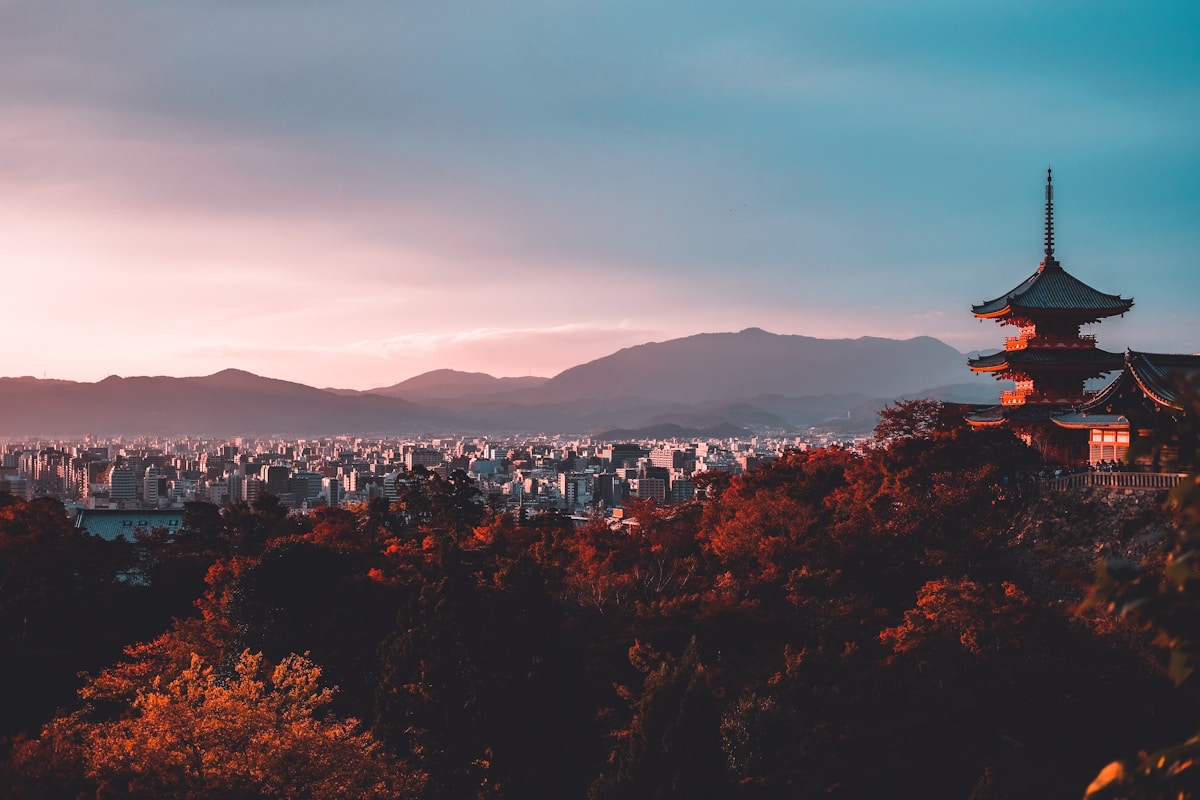
If your vision of Kyoto involves preserved wooden machiya townhouses, paper lanterns glowing against dusk, and the fleeting shadow of a *geiko* turning down a cobblestone alley, Gion and neighboring Southern Higashiyama are peerless. Staying here places you directly inside Japan’s living history.
The Luxury Experience in Gion & Higashiyama
In this quarter, high luxury is synonymous with historic preservation and understated elegance. Rather than sprawling high-rises, properties here are intimate, masterfully integrated into the protected historic district, or set within private Japanese gardens.
- Park Hyatt Kyoto: Positioned alongside the sloping streets of Ninenzaka, this modern masterpiece feels like a hillside guesthouse. When Victor and I inspected the Pagoda View Suites, we were transfixed by the frame-worthy view of Yasaka Pagoda illuminated at night. Lucky's Insider Recommendation: Reserve a corner table at Kohaku bar for bespoke craft cocktails overlooking the clay-tiled rooftops at twilight.
- Sowaka Kyoto: A restored 100-year-old former ryotei (luxury restaurant), Sowaka captures the essence of sukiya-style architecture. Its hidden courtyards, cedar accents, and private gardens offer absolute tranquility right in the heart of Gion.
- Four Seasons Hotel Kyoto: Set around *Shakusui-en*, a 800-year-old pond garden, this urban resort offers expansive rooms, a state-of-the-art spa, and an extraordinary sense of spatial luxury rarely found in central Kyoto.
Pros & Cons of Staying in Gion
Pros: Immediate walking access to iconic sites like Kiyomizu-dera, Kodai-ji, and Yasaka Shrine. Atmospheric evening strolling right outside your hotel door; exceptional fine dining (including multi-generational Michelin-starred *kaiseki* establishments).
Cons: Heavy foot traffic and day-tripper crowds during peak afternoon hours; limited direct rail access (requiring taxis or short walks to subway lines); higher average per-night rates for luxury inventory.
2. Kyoto Station & Central: Transit Precision & Modern Comfort

For decades, luxury travelers dismissed Kyoto Station as a functional transit zone. Today, a wave of architectural innovations and world-class arrivals has reshaped the station perimeter into one of the most strategic, highly comfortable Kyoto luxury neighborhoods.
The Luxury Experience near Kyoto Station
The primary draw of Kyoto Station is total friction-free travel. When arriving on the Tokaido Shinkansen from Tokyo or Osaka, your journey ends seamlessly within minutes of stepping off the platform. This area caters brilliantly to high-net-worth travelers who value efficiency, expansive contemporary suites, and flawless concierges trained in complex regional logistics.
- The Thousand Kyoto: A sanctuary of serene minimalism directly adjacent to the station. Its soaring wood-accented atrium and zen aesthetics contrast beautifully with the bustling transit hub outside. The suites feature clean lines, deep soaking tubs, and exceptional soundproofing.
- Dusit Thani Kyoto: Located just a short walk from Kyoto Station in the quiet Nishi Hongan-ji district, this newly opened luxury property weaves Thai sanctuary-style wellness with exquisite Japanese craftsmanship.
- Hotel Granvia Kyoto: Integrated directly into the futuristic Kyoto Station building, offering supreme convenience for short stopovers or tight morning rail schedules, alongside sweeping city views from its upper-floor executive club rooms.
Pros & Cons of Staying at Kyoto Station
Pros: Effortless arrival and departure via Bullet Train; instant access to local trains, subways, and regional buses departing for Nara, Uji, and Fushimi Inari; superior accessibility; excellent department store dining (Isetan) for high-end casual meals.
Cons: Lacks the traditional, atmospheric charm of old Kyoto; surroundings dominated by modern glass, steel, and commercial architecture; morning streets lack romantic historic allure.
3. Arashiyama: Sanctuary of Emerald Bamboo & River Mist
Located on the far western outskirts of Kyoto along the slopes of Mount Arashiyama, this destination has served as an imperial vacation escape for aristocratic court members since the Heian Period (794–1185). An Arashiyama hotel guide is incomplete without emphasizing its total disconnect from urban noise.
The Luxury Experience in Arashiyama
Arashiyama is designed for stillness. Luxury here revolves around nature: the rustle of soaring bamboo groves, the emerald waters of the Hozu River (Oi River), and seasonal shifts from cherry blossoms to ablaze autumn maples.
- Hoshinoya Kyoto: Reached exclusively via a tranquil 15-minute ride on a traditional wooden riverboat from Togetsukyo Bridge. Hoshinoya is a meticulously restored 17th-century riverside pavilion. When Victor and I stepped off the private launch onto the moss-covered pathways, the bustle of modern Japan vanished entirely. Victor's Note: Book the Grand Pavilion Room for floor-to-ceiling framed vistas over the river bend.
- Suiran, a Luxury Collection Hotel, Kyoto: Situated along the Hozu River, Suiran features open-air spring water baths in select suites, blending classic Japanese ryokan hospitality with modern luxury amenities.
Pros & Cons of Staying in Arashiyama
Pros: Unrivaled natural beauty and serene stillness; world-class private hot-spring (*onsen*) experiences; early morning access to the famed Bamboo Grove hours before public crowds arrive.
Cons: Geographically isolated (requires 30–45 minutes by taxi or train to reach Eastern Kyoto/Gion); most local shops and dining options close early around 5:00 PM; less practical as a base for sightseeing across the wider city.
Kyoto Hotel Guide: Gion vs Station vs Arashiyama Comparison
To help you decide where to stay in Kyoto Gion vs Station or Arashiyama, we have compiled this head-to-head comparison grid based on Travel4U's property evaluations:
| Criteria | Gion & Higashiyama | Kyoto Station & Central | Arashiyama |
|---|---|---|---|
| Atmosphere & Vibe | Historic, atmospheric, romantic, cultural | Modern, sleek, ultra-efficient, urban | Secluded, poetic, wellness-focused, scenic |
| Transport Connectivity | Moderate (Taxis/Subway required) | Exceptional (Direct Shinkansen & Rail) | Low (30-45 mins to central sights) |
| Luxury Nightly Range | $900 – $2,500+ USD | $450 – $1,200+ USD | $1,100 – $2,800+ USD |
| Best Suited For | Culture lovers, romantic getaways, foodies | First-timers, short stays, logistics-heavy itineraries | Retreat seekers, repeat visitors, wellness travelers |
| Travel4U Preferred Stay | Park Hyatt Kyoto / Sowaka | The Thousand Kyoto | Hoshinoya Kyoto |
Head-to-Head Analysis: Which Area Wins Your Itinerary?
When clients consult Travel4U to resolve the where to stay in Kyoto Gion vs Station decision, our recommendation always hinges on trip duration, pacing, and travel history.
Scenario 1: The First-Time Visitor (3 to 4 Nights)
Winner: Gion / Higashiyama
If this is your first introduction to Kyoto, nothing matches the magic of stepping outside your door straight onto preserved stone pathways. The proximity to flagship shrines, traditional tea houses, and high-end *kaiseki* dining outweighs the minor transit extra steps. Staying in Gion allows you to explore iconic landmarks at sunrise before tour buses arrive.
Scenario 2: The Fast-Paced Multi-City Rail Traveler (1 to 2 Nights)
Winner: Kyoto Station
If Kyoto is a brief two-day stop on a whirlwind Golden Route trip (Tokyo – Hakone – Kyoto – Osaka), do not waste precious travel hours dragging luggage through narrow Gion laneways. Base yourself at a modern luxury hotel near Kyoto Station. Drop your bags instantly upon arrival, utilize express train lines, and maximize your sight-seeing hours.
Scenario 3: The Sanctuary & Wellness Reset (2+ Nights)
Winner: Arashiyama
For repeat visitors to Japan or travelers ending an active tour, Arashiyama is an unrivaled sanctuary. The tranquility of waking up to river mist and birdsong, followed by a private hot spring soak, creates a deep state of relaxation that urban hotels simply cannot match.
Victor & Lucky’s Insider Playbook for Kyoto Booking
To ensure your stay meets the rigorous standards of high-end travel, keep these bespoke tips in mind when reserving your Kyoto accommodations:
- The “Split-Stay” Master Strategy: For stays of five nights or longer, Victor and I highly advise splitting your itinerary. Spend three nights in Gion for deep historic immersion and urban exploration, then transfer for two nights of complete seclusion in Arashiyama.
- Peak Season Booking Windows: Kyoto experiences extraordinary demand during Cherry Blossom season (late March to early April) and Autumn foliage (mid-November to early December). Top luxury suites at properties like Park Hyatt Kyoto or Hoshinoya Kyoto routinely sell out 8 to 11 months in advance. Plan accordingly.
- Luggage Forwarding (*Takuhaibin*): Take full advantage of Japan’s seamless luggage forwarding service. If staying in Gion or Arashiyama, have your primary luggage shipped directly from your Tokyo hotel to your Kyoto sanctuary, traveling light with only an overnight tote on the Shinkansen.

Lucky's Connoisseur Recommendation
“For Kyoto Hotel Guide: Gion vs Kyoto Station vs Arashiyama — Which Area Wins?, Victor and I specifically advise confirming seasonal concierge services and securing private transfers in advance. Every property featured here meets our strict luxury benchmarks for privacy, elegance, and bespoke hospitality.”
Check Live Availability & Member Rates on Expedia
Unlock VIP upgrades, member-only discounts, flexible cancellation policies, and One Key rewards when reserving your luxury stay through our curated Expedia Travel Creator Shop.
Explore Stays & Reserve on Expedia →
Frequently Asked Questions (FAQ)
Is it better to stay near Kyoto Station or Gion?
It depends on your travel priorities. Stay in Gion if you prioritize atmosphere, historic charm, walking access to famous temples, and evening strolls. Stay near Kyoto Station if you prioritize seamless Shinkansen transport, day trips to surrounding regions (Nara, Osaka, Hiroshima), and modern hotel conveniences.
How far is Arashiyama from central Kyoto?
Arashiyama is located approximately 10 kilometers (6 miles) west of central Kyoto. By taxi, the ride takes 25 to 40 minutes depending on traffic. By train, the JR San-in Line from Kyoto Station to Saga-Arashiyama Station takes roughly 15 to 20 minutes.
Are private hot springs (onsen) available in Gion luxury hotels?
Natural geothermal hot springs (*onsen*) are rare in central Gion due to urban geology. Most luxury Gion hotels feature deep soaking Japanese *ofuro* tubs in-suite or luxurious spa facilities. If authentic thermal spring baths are essential to your itinerary, opt for high-end properties in Arashiyama or specialized ryokans near Mt. Kurama.
Is Gion safe to walk through late at night?
Kyoto is exceptionally safe, and walking through Gion late at night is not only safe but highly recommended. The crowds dissipate after 9:00 PM, allowing you to experience the silent beauty of illuminated stone streets and historic wooden architecture in complete tranquility.
Affiliate Disclosure & Editorial Integrity: At Travel4U (travel4u.us), our reviews are built on firsthand property visits, meticulous inspections, and independent editorial judgment curated by Victor & Lucky. Some links within this guide may earn us a modest affiliate commission at zero additional cost to you, supporting our ongoing mission to deliver unbiased, high-caliber luxury travel insights.
