


Affiliate & Editorial Disclosure: At Travel4U, Victor and Lucky independently review, vet, and curate only the finest luxury accommodations worldwide. If you choose to reserve your stay through select luxury partner links featured on our platform, we may earn an affiliate commission at no additional cost to you. This support allows our team to continue conducting unbiased, on-the-ground luxury inspections across the globe.
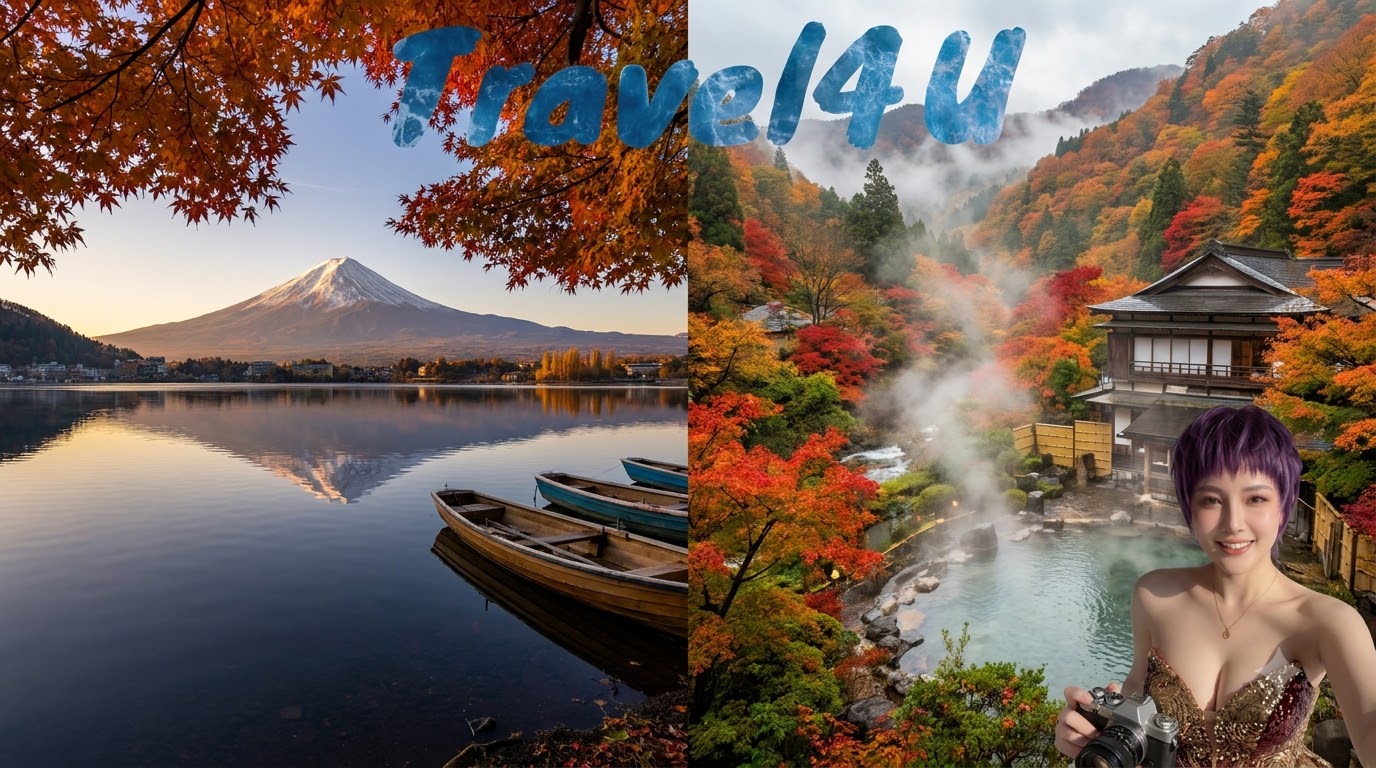
When Victor and I first map out an itinerary for our discerning clientele at Travel4U, one debate invariably halts the boardroom conversation: Should our travelers base themselves at Lake Kawaguchiko or within the steaming, mist-shrouded valleys of Hakone? It is the eternal dichotomy of luxury Japan travel—the crisp, iconic, postcard-perfect confrontation with Mount Fuji’s snow-dusted peak versus the deeply storied, steam-venting, art-infused tranquility of Japan's premier hot spring cradle.
📑 Table of Contents
- The Definitive Guide to Mount fuji hotels lake kawaguchi vs hakone views onsen and value compared: The Core Philosophies: Lake Kawaguchiko vs. Hakone
- Comparing the Landscapes: Visual Drama vs. Natural Variety
- Deep Dive: Lake Kawaguchiko – Architecture of the Mountain
- Deep Dive: Hakone – The Sanctuary of Steam and Soul
- The Practical Logistics: Mount Fuji Day Trips vs. Overnight Immersion
- Seasonal Considerations for Luxury Travelers
The decision of whether to stay in Hakone or Kawaguchiko is not merely geographical; it dictates the entire sensory architecture of your journey. Do you wish to wake to the mirror-like reflection of the mountain on an alpine lake, or do you prefer to soak in a mineral-rich sulfur bath surrounded by ancient cedars, catching only tantalizing, elusive glimpses of Japan's sacred summit? Over the last decade, Victor and I have personally tested the tatami mats, inspected the private open-air *rotenburo* tubs, and critiqued the kaiseki menus across both regions. Here is our definitive masterclass on Kawaguchi vs Hakone.
The Definitive Guide to Mount fuji hotels lake kawaguchi vs hakone views onsen and value compared: The Core Philosophies: Lake Kawaguchiko vs. Hakone
To understand where you should lay your head, you must first understand the soul of each destination. They cater to entirely different psychological states of luxury.
Lake Kawaguchiko sits in the cradle of the Fuji Five Lakes region, sitting directly at the northern foot of the volcano. Here, Mount Fuji is the undisputed protagonist of your landscape. It dominates the horizon, vast, symmetrical, and unapologetically imposing. The luxury scene here is modern, design-forward, and laser-focused on unobstructed framing. Architects have competed to build low-slung sanctuaries where glass walls slide away, merging your king-sized bed with the colossal majesty of the mountain.
Hakone, conversely, is an ancient volcanic caldera located deeper in the Kanagawa prefecture, famed for its deep-rooted connection to the Edo-period *Tokaido* highway and generations of weary travelers seeking healing waters. Hakone is not about staring at a single mountain; it is an immersive theatrical production of steam, art, and topography. You ride mountain railways, cable cars, and pirate ships across Lake Ashi, weaving through misty gorges. While Fuji *is* visible from certain vantages in Hakone on clear days, she is often a shy, ephemeral guest, veiled behind rolling hills and atmospheric clouds.
“Never mistake a Hakone ryokan for a Fuji-view hotel,” Victor often reminds our concierge team. “In Hakone, you come for the water, the art, and the ryokan heritage. In Kawaguchiko, you come to bow before the mountain.”
Comparing the Landscapes: Visual Drama vs. Natural Variety

When evaluating Hakone luxury ryokan vs Fuji view hotels, the visual payoff is your primary metric of distinction.
| Metric | Lake Kawaguchiko | Hakone |
|---|---|---|
| Mount Fuji Proximity | Immediate, monumental, and commanding | Distant, panoramic, and often weather-dependent |
| Onsen Quality & Variety | Clear, soothing alkaline thermal waters | Legendary “Seven Hot Springs” with diverse mineral profiles |
| Cultural & Artistic Depth | Nature-centric, outdoor sports, and photography | World-class open-air museums, craft heritage, and history |
| Culinary Scene | Lake-fresh catches, high-altitude vegetables, premier Koshu beef | Storied kaiseki traditions drawing from Tokyo and coastal markets |
| Ideal Traveler Profile | The visual purist, landscape photographer, and design aficionado | The wellness seeker, art lover, and traditional ryokan connoisseur |
Deep Dive: Lake Kawaguchiko – Architecture of the Mountain
If your heart beats faster at the thought of sipping a rare Japanese whisky while watching the alpenglow turn Mount Fuji’s snowfields a brilliant rose-gold, Kawaguchiko is your sanctuary. Over the years, we have seen this destination evolve from a sleepy lakeside retreat into a crucible of high-end architectural hospitality.
The Premier Properties
When Lucky and I last inspected the suites at Hoshinoya Fuji, we were struck by its radical departure from traditional ryokan design. Perched dramatically on a wooded hillside overlooking the lake, it channels a luxury glamping aesthetic translated through Japanese minimalism. Concrete-and-steel cabins feature massive floor-to-ceiling glass walls oriented entirely toward the peak. There are no traditional tatami corridors here; instead, you find wood-burning stoves on private balconies, morning coffee rituals conducted with French presses overlooking the tree line, and private glamping masters who curate smoke-infused dinners under the stars.
For those who prefer a more classical interpretation of Japanese luxury, Futen no Yu Kukemari or high-end properties like Brilliant Kawaguchiko offer sublime indoor-outdoor living. However, discerning travelers must note: booking a room with a *Fuji-san view* is non-negotiable. Standard garden-view rooms will leave you staring at neighboring properties, entirely missing the magic.
Lucky’s Insider Secret for Kawaguchiko
“The greatest myth of Lake Kawaguchiko is that you can see Fuji whenever you please,” Lucky notes. “The mountain is notoriously coy, frequently cloaking herself in clouds by mid-morning. My absolute golden rule for our clients: wake up at 5:00 AM, slide open your balcony doors, and witness ‘Diamond Fuji' or the crystal-clear mirror reflections at dawn. By 10:00 AM, the atmosphere shifts, and the peak often vanishes until dusk.”
Deep Dive: Hakone – The Sanctuary of Steam and Soul

Hakone is a multi-layered luxury destination. It is not a single view; it is a tapestry of rugged ravines, misty mountain passes, and sophisticated hospitality traditions that date back centuries.
The Premier Properties
When our travelers seek the pinnacle of Japanese hospitality, we direct them toward Gora Kadan. Once a summer villa of the imperial family, this Relais & Châteaux member is an absolute masterclass in architectural integration. Built into the steep slopes of Gora, its sleek glass corridors stretch across fern-filled ravines, connecting minimalist ryokan suites where private open-air cedar and stone baths are fed directly by milky-white sulfur springs. The kaiseki service here is nothing short of operatic, featuring delicate seasonal ceramics and pristine sashimi flown in daily from Odawara port.
Another crown jewel is KAI Hakone, offering striking contemporary takes on traditional wood-mosaic woodwork (*Yosegi-zaiku*), positioned directly over the rushing Hayakawa River. Every single room frames cinematic views of the Hakone mountainside, wrapped in the soothing roar of white water.
Navigating Hakone’s Micro-Regions
Hakone is split into distinct pockets, each with its own character:
- Gora: The cultural and upscale heart, home to the Hakone Open-Air Museum and the mountain railway terminus.
- Sounkyo & Sengokuhara: Quieter, higher-elevation zones characterized by deep mist, Pampas grass fields, and ultra-exclusive ryokans tucked away from the day-tripper crowds.
- Lake Ashi: Famous for its iconic floating red *torii* gate of Hakone Shrine and the historic Hakone Hotel.
The Practical Logistics: Mount Fuji Day Trips vs. Overnight Immersion
A frequent question we encounter on our concierge desk is whether one can simply execute Mount Fuji day trips from Tokyo rather than committing to an overnight stay. While the Shinkansen to Odawara or the Romancecar express train to Hakone-Yumoto makes day-tripping physically possible, Victor and I strongly advise against it for luxury travelers.
To rush to Hakone or Kawaguchiko for a six-hour window is to miss the entire rhythm of the Japanese hot spring ritual. The true magic of an *onsen* retreat unfolds in the twilight hours—when the day-trippers have departed, the lantern-lit stone pathways fall silent, and you slide into steaming mineral waters under a canopy of stars. Furthermore, day-tripping subjects you to the fickle whims of weather; if Fuji is clouded over at noon, a day-tripper leaves empty-handed, whereas an overnight guest has multiple chances at dawn and dusk for the clouds to part.
If you are dividing your time between Tokyo and Kyoto, the ideal itinerary incorporates a two-night stay in either Hakone or Kawaguchiko as a restorative bridge. If you must do both regions due to FOMO (Fear Of Missing Out), budget at least four nights: two nights in Kawaguchiko for visual worship of the mountain, followed by two nights in Hakone for deep wellness immersion.
Seasonal Considerations for Luxury Travelers
The experience of your stay shifts dramatically depending on the calendar. Selecting the right month dictates whether you will bask in cherry blossoms or shiver in sub-zero alpine winds.
Spring (Late March to May)
Kawaguchiko explodes into pink brilliance during the Fuji Shibazakura Festival or the Cherry Blossom Festival along the northern shores, where pink moss and pale blossoms frame the snow-capped peak. Verdict: Kawaguchiko takes the crown in spring.
Summer (June to August)
Summertime brings lush, deep greens, but also heavy humidity and frequent cloud cover that routinely obscures Mount Fuji. Hakone, with its higher elevation and shaded river gorges, offers slightly more forgiving micro-climates. Verdict: A tie, leaning toward Hakone for cooler forest air.
Autumn (October to November)
Both regions are breathtaking. Hakone’s deep ravines blaze with fiery crimson Japanese maples (*iji*), while Kawaguchiko’s Maple Corridor offers iconic framing of red leaves against the blue lake and white mountain. Verdict: Pure perfection in both; book 8–10 months in advance.
Winter (December to February)
This is the connoisseur’s season. Winter skies offer the highest statistical clarity, granting crystal-clear, razor-sharp views of Mount Fuji day after day. Soaking in an outdoor stone *rotenburo* while crisp snow dusts the pine trees is a transcendent travel memory. Verdict: Kawaguchiko wins for uninterrupted visual clarity; Hakone wins for cozy, steaming sanctuary vibes.

Lucky's Connoisseur Recommendation
“For Mount Fuji Hotels: Lake Kawaguchi vs Hakone — Views, Onsen and Value Compared, Victor and I specifically advise confirming seasonal concierge services and securing private transfers in advance. Every property featured here meets our strict luxury benchmarks for privacy, elegance, and bespoke hospitality.”
Check Live Availability & Member Rates on Expedia
Unlock VIP upgrades, member-only discounts, flexible cancellation policies, and One Key rewards when reserving your luxury stay through our curated Expedia Travel Creator Shop.
Explore Stays & Reserve on Expedia →
Frequently Asked Questions (FAQ)
1. Can I see Mount Fuji clearly from Hakone?
Yes, but with caveats. On exceptionally clear days, particularly in winter and early morning, Hakone offers stunning panoramic views of Mount Fuji, often framed across the waters of Lake Ashi. However, Fuji is not the dominant visual anchor in Hakone; it is an occasional cameo appearance.
2. Which destination offers better private onsen (*rotenburo*) experiences?
Both regions feature world-class properties with private hot spring baths in-room. However, Hakone boasts a greater variety of mineral waters—including sulfurous, alkaline, and iron-rich springs across its legendary hot spring sources—while Kawaguchiko properties typically feature soothing, clear alkaline waters optimized for viewing the mountain.
3. How do I travel between Tokyo, Hakone, and Kawaguchiko?
From Tokyo’s Shinjuku station, the Odakyu Romancecar takes approximately 85 minutes to reach Hakone-Yumoto. Traveling between Hakone and Lake Kawaguchiko requires traversing mountainous terrain; private luxury car transfers or seasonal highway buses take roughly 2 to 2.5 hours and are vastly superior to navigating complex regional train connections with luggage.
4. How far in advance should I book luxury ryokans in these regions?
For top-tier properties like Hoshinoya Fuji, Gora Kadan, or premier ryokans with private Fuji-view baths, Victor and Lucky strongly recommend booking 6 to 9 months in advance, particularly for autumn foliage season (November) and cherry blossom season (April).
5. Is it possible to visit both Hakone and Kawaguchiko in a single trip?
Absolutely. We frequently design itineraries for Travel4U clients that pair 2 nights in Kawaguchiko for dramatic mountain photography with 2 nights in Hakone for artistic immersion and traditional ryokan pampering, bridged by a private chauffeur.
Editorial Disclosure: Travel4U is independently curated by Victor & Lucky. Our reviews, rankings, and destination insights are never influenced by financial partnerships. On occasion, we may include affiliate links to select luxury properties and transport services. Should you choose to book through these links, we may earn a modest commission at absolutely no additional cost to you, which directly supports our ongoing global research and uncompromising editorial standards.
